

Back pain is one of the most common complaints among adults, but many people never consider that their shoes could be part of the problem.
If you spend hours walking, standing, commuting, or working on hard floors, your footwear plays a much bigger role than you might think. Shoes that lack proper support can change the way your body moves, placing extra stress on your feet, knees, hips, and lower back.
The good news? Simply switching to the right pair of shoes can make a noticeable difference for many people.
In this guide, you’ll learn how footwear affects your back, the signs that your shoes may be causing pain, and what features to look for when buying your next pair.
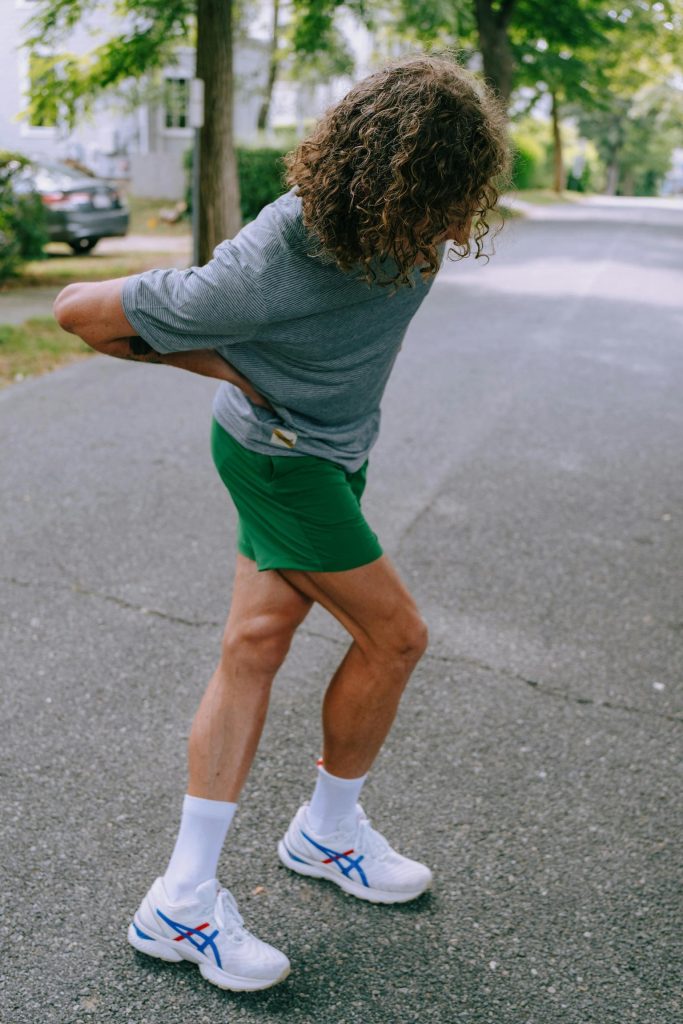
Can Shoes Really Cause Back Pain?
Yes, they can.
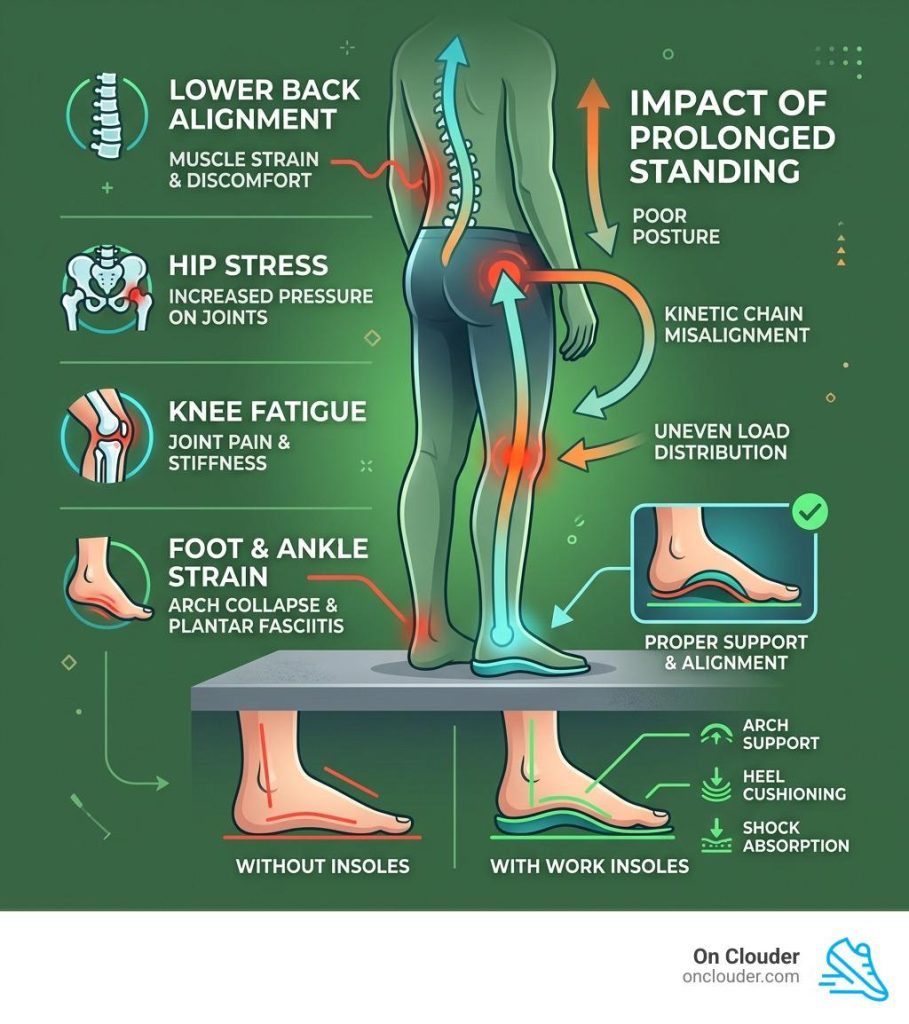
Your feet are the foundation of your body. Every step you take sends force through your ankles, knees, hips, and spine. When your shoes fail to absorb shock or provide proper support, that force travels upward and can contribute to discomfort.
While shoes aren’t the only cause of back pain, wearing poorly designed or worn-out footwear over time may increase stress on your muscles and joints.
People who stand for long hours are especially likely to notice the difference.
How the Wrong Shoes Affect Your Body
Think of your body as a chain.
When one link is out of alignment, everything above it has to compensate.
Poor shoes can lead to:
- Poor posture
- Uneven weight distribution
- Reduced shock absorption
- Increased pressure on the heels
- Knee strain
- Hip discomfort
- Lower back pain
Even if your back is where the pain shows up, the problem may actually begin with your feet.
7 Signs Your Shoes Might Be Causing Your Back Pain
1. Your Back Hurts More After Standing
If your back feels worse after several hours on your feet, your shoes may not be providing enough cushioning.
2. Your Shoes Are Worn Out
Flattened midsoles lose their ability to absorb impact.
Many people continue wearing sneakers long after they’ve stopped offering proper support.
3. Your Heels Hurt Too
Heel pain and back pain often appear together because both are affected by poor shock absorption.
4. One Shoe Wears Out Faster
Uneven wear patterns may indicate changes in the way you walk.
5. You Feel Better Barefoot at Home
If your pain disappears after removing your shoes, your footwear deserves a closer look.
6. Your Shoes Feel Flat
Supportive shoes should feel stable under your feet.
If they feel thin or lifeless, they’re probably no longer doing their job.
7. Your Feet Feel Tired Every Day
Healthy shoes reduce fatigue.
If your feet feel exhausted after ordinary activities, it’s time to consider a replacement.

What Type of Shoes Can Contribute to Back Pain?
Some types of footwear are more likely to cause problems than others.
Shoes with Little Cushioning
Thin soles transmit more impact to your joints.
Old Sneakers
Even premium sneakers lose support after months of regular use.
Shoes That Don’t Fit Properly
Shoes that are too small or too large can change your natural walking pattern.
Completely Flat Shoes
Some flat shoes offer little arch support, making them uncomfortable for extended wear.
High Heels
High heels shift body weight forward, increasing pressure on the lower back.
What Features Should You Look For?
When shopping for everyday sneakers, look for:
- Soft but supportive cushioning
- Good arch support
- A stable heel
- Shock-absorbing midsoles
- A roomy toe box
- Breathable upper materials
- Durable outsole with good grip
Comfort should always come before appearance.

Who Is Most at Risk?
The wrong shoes can affect anyone, but they’re especially important for:
- Nurses
- Teachers
- Retail workers
- Warehouse staff
- Security personnel
- Healthcare professionals
- Delivery riders
- Hospitality workers
- Students who walk long distances
- Anyone who stands for several hours a day
Can Better Shoes Help?
In many cases, yes.
If your footwear is contributing to poor posture or inadequate shock absorption, replacing it with supportive sneakers may reduce discomfort over time.
However, persistent or severe back pain can have many causes. If your symptoms continue or worsen, it’s important to consult a qualified healthcare professional for an evaluation.
How Often Should You Replace Your Sneakers?
Most everyday sneakers should be replaced once they become noticeably worn or no longer provide adequate cushioning and support. The exact timing depends on how often you wear them, your body weight, and the surfaces you walk on.
Common signs it’s time for a new pair include:
- Flattened cushioning
- Uneven outsole wear
- Reduced comfort
- Less stability while walking
- New aches in your feet, knees, or back
Tips to Protect Your Back
- Choose shoes that fit correctly.
- Replace worn-out sneakers promptly.
- Alternate between two pairs if you wear sneakers daily.
- Avoid standing in unsupported shoes for long periods.
- Walk with good posture.
- Stretch your calves and hamstrings regularly.
Small changes can have a noticeable impact on your overall comfort.
Frequently Asked Questions
Can flat shoes cause back pain?
They can if they lack enough cushioning or support for your feet and daily activities.
Are running shoes good for back pain?
Many running shoes provide excellent cushioning, making them a comfortable option for walking and standing. The best choice depends on your foot shape and needs.
Can old sneakers cause lower back pain?
Yes. As cushioning wears down, shoes absorb less impact, which can increase stress on your body.
Can insoles help?
Supportive insoles may improve comfort for some people, especially when paired with well-fitting shoes.
How do I know if my shoes are the problem?
If your pain improves after changing shoes or removing them, your footwear may be contributing to the issue.
Conclusion
The shoes you wear every day do more than protect your feet—they influence how your entire body moves. Poorly fitting or worn-out footwear can contribute to discomfort from your feet all the way up to your lower back.
Choosing supportive, well-cushioned sneakers and replacing them when they wear out can improve comfort during long days on your feet. If back pain persists despite changing your footwear, seek advice from a healthcare professional to identify any underlying causes.