

Choosing the perfect pair of shoes can feel overwhelming with so many options available today. The right shoes should do more than just look good—they should fit properly, provide lasting comfort, and suit your lifestyle. Whether you’re shopping for everyday sneakers, running shoes, or casual footwear, understanding what to look for can help you make a smarter purchase. This guide covers everything you need to know to find shoes that support your feet, match your style, and keep you comfortable throughout the day.

Why Choosing the Right Shoes Matters
Wearing the wrong shoes can lead to discomfort, blisters, foot pain, and even long-term issues. Proper footwear provides support, improves posture, and helps you stay comfortable during daily activities.

1. Know Your Foot Type
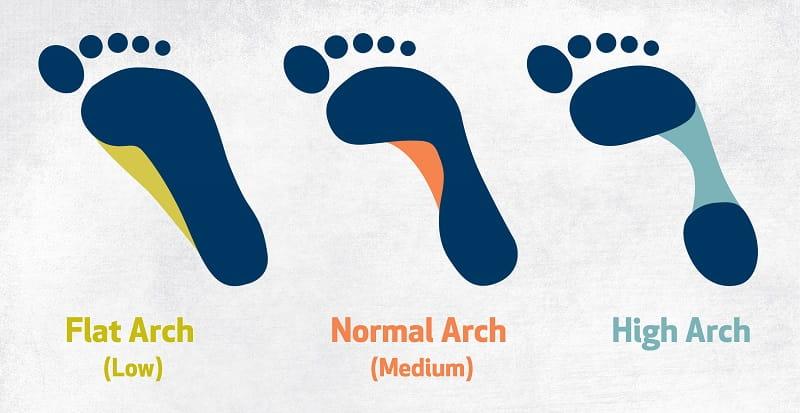
Everyone’s feet are different. Before buying shoes, identify whether you have:
- Flat feet
- High arches
- Wide feet
- Narrow feet
Knowing your foot type will help you choose shoes that offer the right level of support and cushioning.
2. Choose Shoes Based on Their Purpose
Not all shoes are designed for the same activities. Consider how you plan to use them.
Everyday Wear
Look for comfortable sneakers with cushioning and breathability.
Running
Choose lightweight shoes with shock absorption.
Walking
Walking shoes should offer flexibility and support.
Training and Gym Workouts
Cross-training shoes provide stability for various movements.
Formal Occasions
Dress shoes should fit properly without sacrificing comfort.

3. Make Sure the Shoes Fit Properly
One of the biggest mistakes people make is buying shoes based solely on size numbers.
Tips for Getting the Right Fit
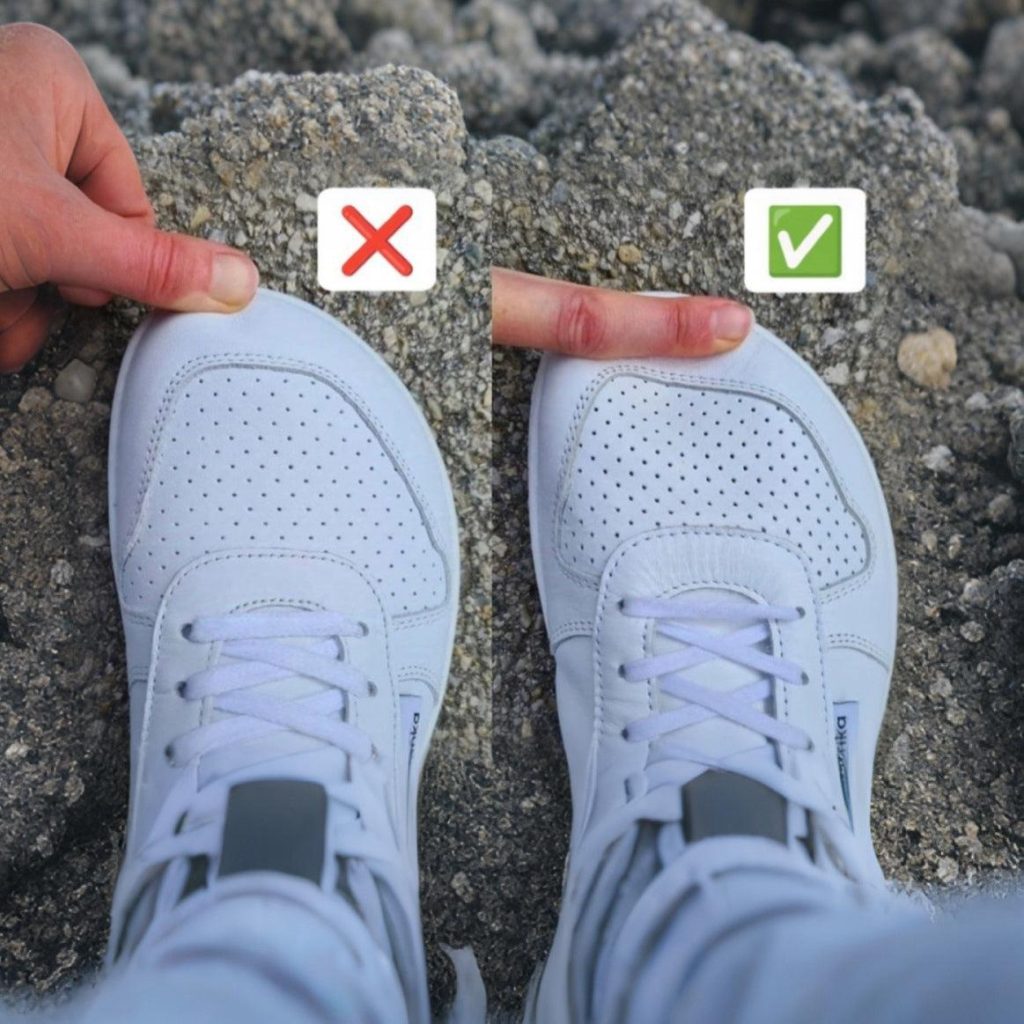
- Leave about half an inch of space between your longest toe and the front of the shoe.
- Make sure the shoe isn’t too tight around the sides.
- Your heel should stay securely in place while walking.
- Try shoes on later in the day, when feet naturally expand.
4. Prioritize Comfort Over Trends
Trendy shoes may look great, but comfort should always come first. Features to look for include:
- Cushioned midsoles
- Arch support
- Breathable materials
- Lightweight construction
- Durable outsoles
A comfortable pair of shoes will serve you much better than an uncomfortable pair that’s only fashionable.

5. Pay Attention to Materials
The materials used in a shoe can affect comfort and durability.
Leather
Durable and premium-looking.
Mesh
Breathable and lightweight.
Knit Fabrics
Flexible and comfortable.
Synthetic Materials
Affordable and easy to maintain.

6. Consider Cushioning and Support
If you’re on your feet all day, cushioning becomes even more important.
Look for:
- Foam midsoles
- Gel cushioning
- Air cushioning systems
- Memory foam insoles
These features help reduce fatigue and improve comfort.

7. Read Reviews Before Buying
Customer reviews can provide valuable insight into:
- Comfort
- Sizing accuracy
- Durability
- Overall performance
Reading reviews can help you avoid common issues and choose a pair that suits your needs.
8. Don’t Forget Your Personal Style
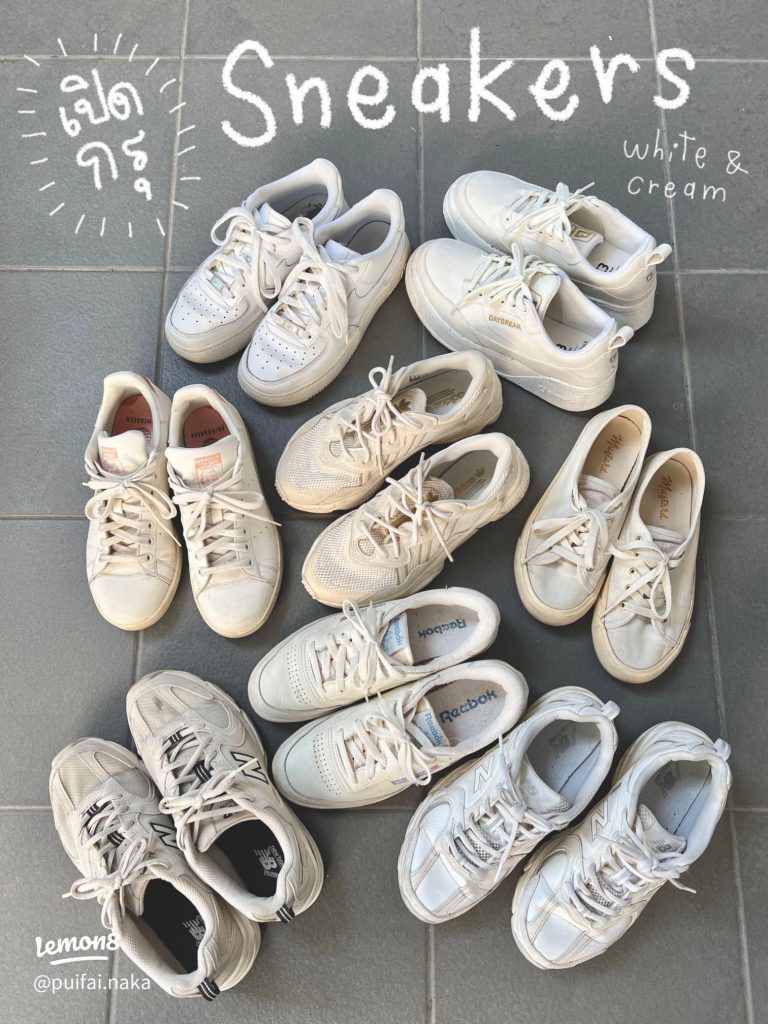
The perfect shoes should complement your wardrobe and lifestyle. Neutral colors such as white, black, gray, and navy are versatile and easy to pair with different outfits.
Popular choices include:
- White sneakers
- Minimalist casual shoes
- Classic leather sneakers
- Retro-inspired designs
Link to:
Timeless Sneakers That Never Go Out of Style
Common Mistakes to Avoid
- Buying shoes that are too small.
- Choosing style over comfort.
- Ignoring arch support.
- Purchasing shoes without trying them on.
- Wearing worn-out shoes for too long.

Frequently Asked Questions
How often should you replace shoes?
Most everyday shoes should be replaced every 300 to 500 miles of use or when you notice reduced support and cushioning.
Is it better to buy shoes slightly bigger?
A little extra room around the toes is recommended, but shoes should never feel loose.
What are the most versatile shoes?
Comfortable white sneakers and neutral-colored casual shoes are among the most versatile options.
Final Thoughts
Choosing the perfect shoes isn’t about following trends or buying the most expensive pair. It’s about finding footwear that fits well, supports your feet, and suits your daily activities. By understanding your foot type, prioritizing comfort, and selecting shoes designed for your lifestyle, you’ll be able to invest in footwear that looks good and feels great for years to come.

